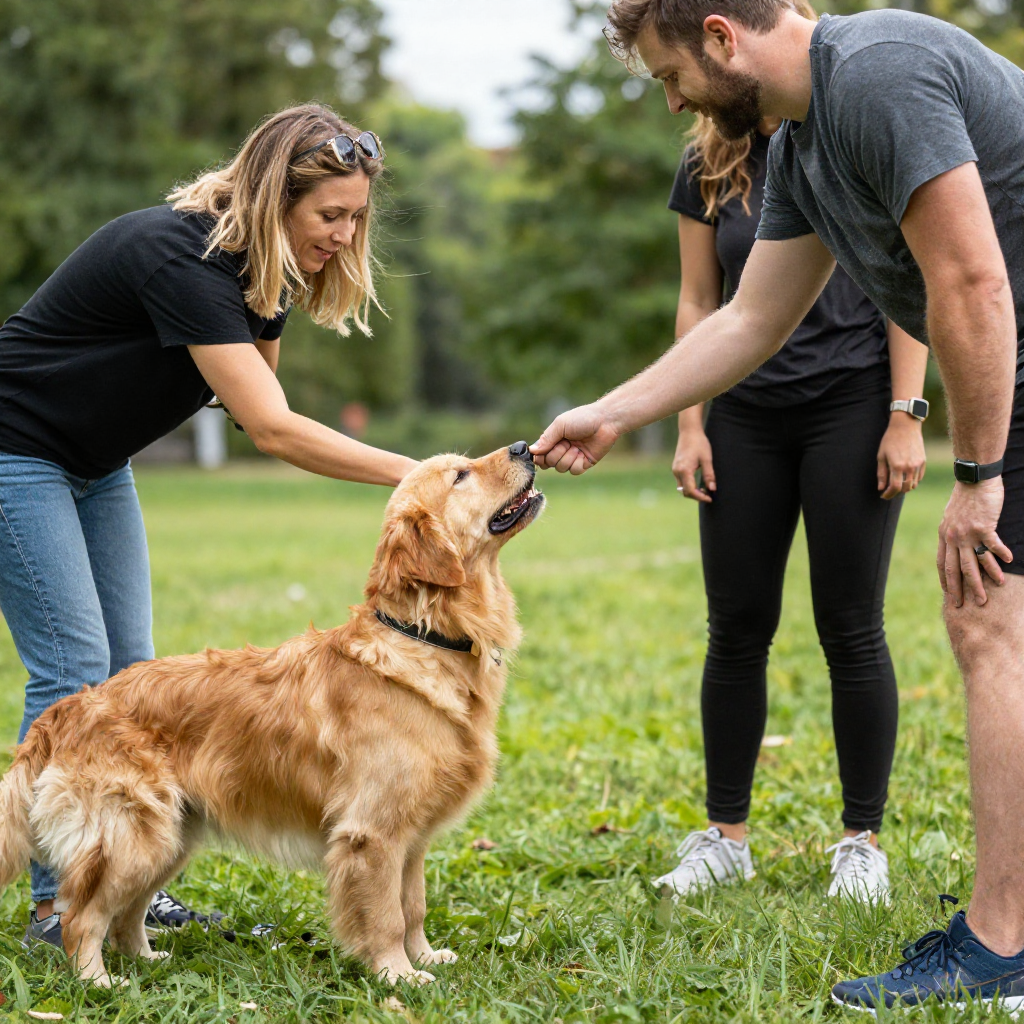
Teaching a dog to follow basic commands is about much more than having a well-behaved companion. Dog command obedience lessons help create clear communication, improve safety, reduce unwanted behaviors, and strengthen the relationship between dogs and their owners. Whether raising a young puppy or helping an older dog learn new skills, structured training provides lifelong benefits that extend into every part of daily life. Rob’s Dog Training emphasizes structured, reward-based learning that helps dogs develop reliable skills while strengthening the bond with their owners.
Successful obedience training relies on consistency, patience, and positive reinforcement rather than punishment. When dogs understand what is expected and receive rewards for making the right choices, they become more confident, attentive, and eager to learn. This combination creates a positive learning environment that supports lasting behavioral success.
Why Obedience Training Matters
Dogs naturally learn through repetition, association, and experience. Without guidance, they often develop habits based on whatever behaviors have been unintentionally reinforced. Obedience lessons provide structure that teaches appropriate responses while preventing many common behavioral issues from becoming established.
A well-trained dog is often easier to manage in many situations, including:
- Walking through busy neighborhoods
- Meeting unfamiliar people
- Greeting other dogs politely
- Visiting parks and public spaces
- Traveling in vehicles
- Staying calm during veterinary appointments
- Spending time with family and guests
These practical skills improve everyday life while helping dogs feel more secure because they understand what is expected of them.
How Dogs Learn Commands
Understanding canine learning principles helps owners appreciate why structured lessons produce better results than inconsistent correction.
Dogs primarily learn through consequences. Behaviors that lead to rewarding outcomes become more likely to occur again. Positive reinforcement uses rewards such as treats, toys, praise, or playtime immediately after the desired behavior.
Timing is equally important. Rewards delivered within seconds help dogs connect the action with the consequence, making learning much more efficient.
Consistency also plays a significant role. Everyone interacting with the dog should use the same commands and expectations to prevent confusion.
Essential Skills Covered in Dog Command Obedience Lessons
Quality obedience programs focus on practical commands that improve safety and daily communication.
Sit
“Sit” is often the first command many dogs learn because it is simple and useful in countless situations.
Teaching sit helps with:
- Greeting visitors
- Waiting before meals
- Remaining calm during grooming
- Preventing jumping
- Building focus before other exercises
A reliable sit also becomes the foundation for many advanced behaviors.
Stay
Stay teaches impulse control while encouraging dogs to remain in position until released.
This command is valuable for:
- Opening doors safely
- Greeting guests
- Crossing streets
- Veterinary visits
- Household management
Dogs gradually learn to remain in place despite increasing distractions.
Come
Recall may be one of the most important commands for safety.
Reliable recall can help prevent dangerous situations involving:
- Traffic
- Wildlife
- Open gates
- Busy parks
- Off-leash recreation in approved areas
Developing a dependable recall requires gradual progression and frequent positive reinforcement.
Down
The down command encourages relaxation and self-control.
It is particularly useful during:
- Restaurant patios
- Family gatherings
- Veterinary appointments
- Waiting periods
- Indoor relaxation
Many dogs naturally become calmer while lying down.
Leave It
Leave It teaches dogs to ignore tempting or potentially dangerous objects.
Examples include:
- Food on sidewalks
- Household hazards
- Toxic plants
- Wildlife
- Personal belongings
This command significantly improves safety during walks and at home.
Heel or Loose Leash Walking
Walking politely without pulling creates more enjoyable outings for both dogs and owners.
Rather than constantly pulling toward distractions, dogs learn to remain attentive while exploring their surroundings appropriately.
The Importance of Consistency
Even excellent instruction cannot replace consistent practice at home.
Dogs benefit from:
- Daily short training sessions
- Clear expectations
- Consistent command words
- Immediate rewards
- Calm corrections through redirection
Five to ten minutes of focused practice several times each day often produces better long-term results than occasional lengthy sessions.
Positive Reinforcement Encourages Better Learning
Modern training emphasizes rewarding desirable behavior instead of relying on punishment.
Positive reinforcement provides several advantages:
- Builds confidence
- Strengthens trust
- Encourages problem-solving
- Reduces anxiety
- Increases enthusiasm for learning
Rewards may include:
- Small treats
- Favorite toys
- Verbal praise
- Petting
- Play sessions
As behaviors become reliable, rewards gradually become less frequent while praise and life rewards continue maintaining performance.
Building Focus Around Distractions
Dogs rarely perform perfectly in distracting environments immediately.
Training progresses through stages:
- Quiet indoor environments
- Backyard practice
- Quiet neighborhoods
- Public parks
- Busier environments
- Highly distracting locations
Gradually increasing difficulty allows dogs to succeed without becoming overwhelmed.
Addressing Common Behavioral Challenges
Many unwanted behaviors improve naturally as obedience skills strengthen.
Jumping
Teaching alternative greetings, such as sitting politely, helps replace jumping behaviors.
Pulling on Walks
Loose leash exercises encourage dogs to remain engaged with their handlers instead of constantly pulling ahead.
Excessive Barking
Training often improves impulse control while redirecting attention toward appropriate behaviors.
Ignoring Owners
Consistent recall exercises and engagement games help dogs become more responsive in everyday situations.
Poor Impulse Control
Commands such as stay, wait, and leave it encourage thoughtful decision-making before acting.
Mental Stimulation Is Just as Important
Obedience lessons provide valuable mental exercise that complements physical activity.
Learning requires concentration, memory, and problem-solving, which can help reduce boredom-related behaviors such as:
- Chewing
- Digging
- Excessive barking
- Restlessness
- Attention-seeking
Even energetic breeds often become more relaxed after structured training sessions.
Why Early Training Creates Lasting Success
Puppies absorb new experiences rapidly during early developmental stages.
Beginning obedience early helps establish:
- Appropriate social behavior
- Household manners
- Confidence
- Emotional resilience
- Reliable communication
However, older dogs remain fully capable of learning new behaviors. Patience and consistency allow dogs of nearly any age to improve.
The Owner’s Role During Training
Successful obedience depends as much on owners as it does on dogs.
Owners contribute by:
- Practicing consistently
- Remaining patient
- Using clear communication
- Avoiding mixed signals
- Reinforcing desired behaviors immediately
Dogs learn best when expectations remain predictable.
Common Mistakes That Slow Progress
Even dedicated owners occasionally develop habits that interfere with learning.
Some common mistakes include:
Repeating Commands
Saying “sit, sit, sit” teaches dogs they can ignore the first several requests.
Instead, give the command once and help the dog succeed.
Training Too Long
Dogs often learn better through frequent short sessions than lengthy practice periods.
Inconsistent Rewards
Rewarding only occasionally during early learning may slow progress.
Frequent reinforcement builds stronger understanding before gradually reducing treat frequency.
Advancing Too Quickly
Adding distractions before a behavior is reliable often creates frustration.
Progress should match each dog’s comfort and success level.
Real-Life Applications of Obedience Skills
Reliable commands improve countless everyday situations.
Examples include:
- Waiting calmly before exiting vehicles
- Greeting delivery personnel politely
- Walking through crowded areas
- Remaining settled while visitors arrive
- Ignoring dropped food
- Coming when called at the park
- Remaining calm around children
- Cooperating during grooming
Training becomes practical because these situations occur regularly throughout a dog’s life.
Making Training Part of Everyday Life
Formal lessons represent only part of the learning process.
Owners can reinforce commands during daily routines by asking for simple behaviors before providing everyday rewards.
Examples include:
- Sitting before meals
- Waiting before going outdoors
- Coming when called inside
- Lying down while watching television
- Walking politely during neighborhood walks
These opportunities create hundreds of brief practice sessions without requiring additional training time.
Continuing Beyond the Basics
After mastering foundational commands, many dogs enjoy learning more advanced skills.
Additional training may include:
- Distance commands
- Advanced recall
- Off-leash reliability where appropriate
- Trick training
- Canine sports
- Scent work
- Agility foundations
Ongoing learning keeps dogs mentally engaged while strengthening communication.
Choosing an Effective Training Approach
Every dog learns at a different pace, making individualized instruction valuable.
When selecting a training program, consider whether it emphasizes:
- Positive reinforcement
- Clear communication
- Practical everyday skills
- Progressive learning
- Owner education
- Safe socialization opportunities
- Individual attention when needed
Programs that teach both dogs and owners often produce stronger long-term outcomes because families continue reinforcing skills after formal lessons conclude.
Creating Lifelong Success Through Consistent Learning
Obedience is not about achieving perfection. Instead, it creates reliable communication that helps dogs navigate the world confidently and safely.
With regular practice, patience, and realistic expectations, dogs continue improving throughout their lives. Each successful interaction builds trust, strengthens the human-canine bond, and creates positive experiences that encourage continued learning.
Final Thoughts
Investing time in dog command obedience lessons creates benefits that extend far beyond learning simple commands. Consistent, reward-based instruction helps dogs develop focus, confidence, impulse control, and dependable responses in everyday situations. These skills improve safety, reduce behavioral challenges, and strengthen the relationship between dogs and their families.
For owners seeking structured guidance, professional instruction from Rob’s Dog Training can provide practical strategies, personalized coaching, and positive training methods that help dogs build reliable obedience skills while creating a stronger partnership that lasts for years to come.